
The Rise of Virtual Reality Gaming
Virtual reality (VR) gaming has taken the world by storm in recent years. With advancements in technology, gamers can now immerse themselves in an entirely new digital world. The popularity of VR gaming has skyrocketed, and it shows no signs of slowing down. In fact, experts predict that the next generation of VR gaming will bring even more exciting and immersive experiences to players.
Enhanced Graphics and Realism
One of the most notable trends in next-generation VR gaming is the enhanced graphics and realism. Developers are constantly pushing the boundaries of what is possible, creating stunningly realistic environments and characters. With improved graphics capabilities, players can truly feel like they are inside the game, interacting with the virtual world in ways never before possible.
Expanded Game Genres
While VR gaming initially focused on action and adventure genres, the next generation is set to expand into various other game genres. From puzzle-solving to role-playing games, there will be something for everyone in the world of VR gaming. This diversification will attract a wider audience and make VR gaming more accessible to all types of gamers.
Multiplayer Experiences
Next-generation VR gaming will also bring about more immersive multiplayer experiences. Players will be able to connect with friends and gamers from around the world, collaborating or competing in virtual environments. The sense of presence and social interaction will be enhanced, making multiplayer VR gaming an even more engaging and enjoyable experience.
Intuitive Controls and Interactions
As technology progresses, so do the controls and interactions in VR gaming. The next generation will introduce more intuitive controls, allowing players to interact with the virtual world in a more natural and realistic way. From hand gestures to full-body tracking, players will have more freedom and agency in their gameplay, making the experience feel more authentic and immersive.
Expanded Accessibility
Accessibility has always been a concern in the gaming industry, and VR gaming is no exception. The next generation of VR gaming aims to address these concerns by making the technology more accessible to a wider range of players. This includes improvements in comfort, affordability, and compatibility with various devices. With these advancements, more people will be able to enjoy the immersive world of VR gaming.
Integration of Artificial Intelligence
Artificial intelligence (AI) is revolutionizing various industries, and VR gaming is embracing this technology as well. In the next generation, AI will play a significant role in enhancing gameplay experiences. From intelligent NPCs (non-player characters) to adaptive gameplay mechanics, AI will create more dynamic and personalized experiences for players.
Virtual Reality Streaming and Sharing
Streaming and sharing gameplay experiences have become increasingly popular in recent years. The next generation of VR gaming will take this to the next level by allowing players to stream and share their virtual reality experiences. This will enable others to get a glimpse into the immersive world of VR gaming and create a sense of community among players.
Integration with Other Technologies
VR gaming will not exist in isolation in the next generation. It will be integrated with other emerging technologies to create even more compelling experiences. From augmented reality (AR) overlays to haptic feedback devices, the combination of VR with other technologies will push the boundaries of what is possible in gaming.
Health and Wellness Considerations
As VR gaming becomes more immersive and realistic, health and wellness considerations will become increasingly important. Developers are already exploring ways to mitigate motion sickness and eye strain in VR gaming. In the next generation, there will be a greater focus on player comfort and well-being, ensuring that VR gaming remains enjoyable and accessible for all.
In Conclusion
The next generation of VR gaming promises to revolutionize the way we play and experience games. With enhanced graphics, expanded game genres, multiplayer experiences, intuitive controls, and integration with other technologies, the future of VR gaming looks incredibly promising. As the industry continues to evolve, players can look forward to even more immersive and unforgettable digital experiences in the years to come.

The Rise of Virtual Reality Gaming
Virtual reality (VR) gaming has taken the world by storm in recent years. With advancements in technology, gamers can now immerse themselves in an entirely new digital world. The popularity of VR gaming has skyrocketed, and it shows no signs of slowing down. In fact, experts predict that the next generation of VR gaming will bring even more exciting and immersive experiences to players.
Enhanced Graphics and Realism
One of the most notable trends in next-generation VR gaming is the enhanced graphics and realism. Developers are constantly pushing the boundaries of what is possible, creating stunningly realistic environments and characters. With improved graphics capabilities, players can truly feel like they are inside the game, interacting with the virtual world in ways never before possible.
Expanded Game Genres
While VR gaming initially focused on action and adventure genres, the next generation is set to expand into various other game genres. From puzzle-solving to role-playing games, there will be something for everyone in the world of VR gaming. This diversification will attract a wider audience and make VR gaming more accessible to all types of gamers.
Multiplayer Experiences
Next-generation VR gaming will also bring about more immersive multiplayer experiences. Players will be able to connect with friends and gamers from around the world, collaborating or competing in virtual environments. The sense of presence and social interaction will be enhanced, making multiplayer VR gaming an even more engaging and enjoyable experience.
Intuitive Controls and Interactions
As technology progresses, so do the controls and interactions in VR gaming. The next generation will introduce more intuitive controls, allowing players to interact with the virtual world in a more natural and realistic way. From hand gestures to full-body tracking, players will have more freedom and agency in their gameplay, making the experience feel more authentic and immersive.
Expanded Accessibility
Accessibility has always been a concern in the gaming industry, and VR gaming is no exception. The next generation of VR gaming aims to address these concerns by making the technology more accessible to a wider range of players. This includes improvements in comfort, affordability, and compatibility with various devices. With these advancements, more people will be able to enjoy the immersive world of VR gaming.
Integration of Artificial Intelligence
Artificial intelligence (AI) is revolutionizing various industries, and VR gaming is embracing this technology as well. In the next generation, AI will play a significant role in enhancing gameplay experiences. From intelligent NPCs (non-player characters) to adaptive gameplay mechanics, AI will create more dynamic and personalized experiences for players.
Virtual Reality Streaming and Sharing
Streaming and sharing gameplay experiences have become increasingly popular in recent years. The next generation of VR gaming will take this to the next level by allowing players to stream and share their virtual reality experiences. This will enable others to get a glimpse into the immersive world of VR gaming and create a sense of community among players.
Integration with Other Technologies
VR gaming will not exist in isolation in the next generation. It will be integrated with other emerging technologies to create even more compelling experiences. From augmented reality (AR) overlays to haptic feedback devices, the combination of VR with other technologies will push the boundaries of what is possible in gaming.
Health and Wellness Considerations
As VR gaming becomes more immersive and realistic, health and wellness considerations will become increasingly important. Developers are already exploring ways to mitigate motion sickness and eye strain in VR gaming. In the next generation, there will be a greater focus on player comfort and well-being, ensuring that VR gaming remains enjoyable and accessible for all.
In Conclusion
The next generation of VR gaming promises to revolutionize the way we play and experience games. With enhanced graphics, expanded game genres, multiplayer experiences, intuitive controls, and integration with other technologies, the future of VR gaming looks incredibly promising. As the industry continues to evolve, players can look forward to even more immersive and unforgettable digital experiences in the years to come.

The Rise of Virtual Reality Gaming
Virtual reality (VR) gaming has taken the world by storm in recent years. With advancements in technology, gamers can now immerse themselves in an entirely new digital world. The popularity of VR gaming has skyrocketed, and it shows no signs of slowing down. In fact, experts predict that the next generation of VR gaming will bring even more exciting and immersive experiences to players.
Enhanced Graphics and Realism
One of the most notable trends in next-generation VR gaming is the enhanced graphics and realism. Developers are constantly pushing the boundaries of what is possible, creating stunningly realistic environments and characters. With improved graphics capabilities, players can truly feel like they are inside the game, interacting with the virtual world in ways never before possible.
Expanded Game Genres
While VR gaming initially focused on action and adventure genres, the next generation is set to expand into various other game genres. From puzzle-solving to role-playing games, there will be something for everyone in the world of VR gaming. This diversification will attract a wider audience and make VR gaming more accessible to all types of gamers.
Multiplayer Experiences
Next-generation VR gaming will also bring about more immersive multiplayer experiences. Players will be able to connect with friends and gamers from around the world, collaborating or competing in virtual environments. The sense of presence and social interaction will be enhanced, making multiplayer VR gaming an even more engaging and enjoyable experience.
Intuitive Controls and Interactions
As technology progresses, so do the controls and interactions in VR gaming. The next generation will introduce more intuitive controls, allowing players to interact with the virtual world in a more natural and realistic way. From hand gestures to full-body tracking, players will have more freedom and agency in their gameplay, making the experience feel more authentic and immersive.
Expanded Accessibility
Accessibility has always been a concern in the gaming industry, and VR gaming is no exception. The next generation of VR gaming aims to address these concerns by making the technology more accessible to a wider range of players. This includes improvements in comfort, affordability, and compatibility with various devices. With these advancements, more people will be able to enjoy the immersive world of VR gaming.
Integration of Artificial Intelligence
Artificial intelligence (AI) is revolutionizing various industries, and VR gaming is embracing this technology as well. In the next generation, AI will play a significant role in enhancing gameplay experiences. From intelligent NPCs (non-player characters) to adaptive gameplay mechanics, AI will create more dynamic and personalized experiences for players.
Virtual Reality Streaming and Sharing
Streaming and sharing gameplay experiences have become increasingly popular in recent years. The next generation of VR gaming will take this to the next level by allowing players to stream and share their virtual reality experiences. This will enable others to get a glimpse into the immersive world of VR gaming and create a sense of community among players.
Integration with Other Technologies
VR gaming will not exist in isolation in the next generation. It will be integrated with other emerging technologies to create even more compelling experiences. From augmented reality (AR) overlays to haptic feedback devices, the combination of VR with other technologies will push the boundaries of what is possible in gaming.
Health and Wellness Considerations
As VR gaming becomes more immersive and realistic, health and wellness considerations will become increasingly important. Developers are already exploring ways to mitigate motion sickness and eye strain in VR gaming. In the next generation, there will be a greater focus on player comfort and well-being, ensuring that VR gaming remains enjoyable and accessible for all.
In Conclusion
The next generation of VR gaming promises to revolutionize the way we play and experience games. With enhanced graphics, expanded game genres, multiplayer experiences, intuitive controls, and integration with other technologies, the future of VR gaming looks incredibly promising. As the industry continues to evolve, players can look forward to even more immersive and unforgettable digital experiences in the years to come.
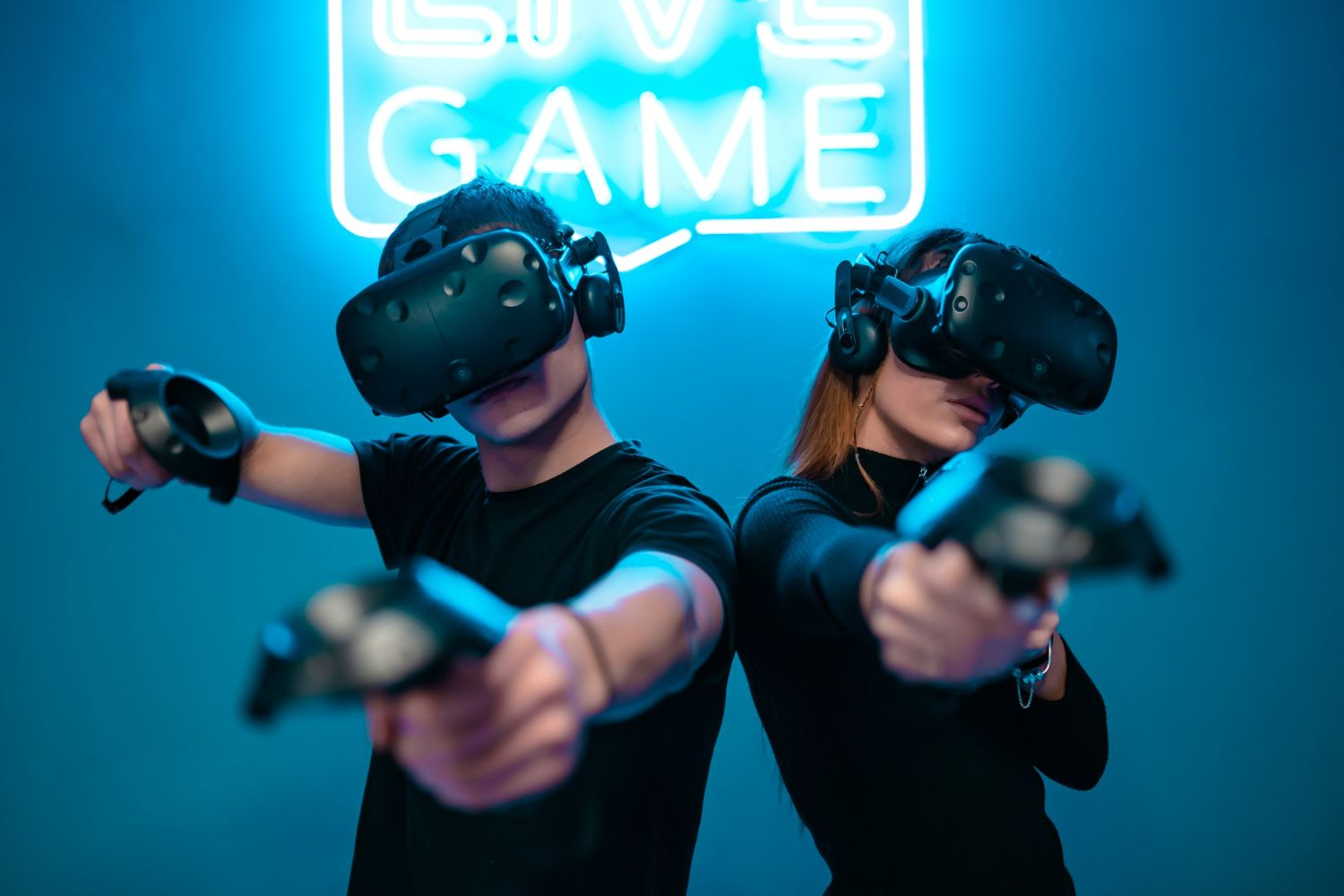
The Rise of Virtual Reality Gaming
Virtual reality (VR) gaming has taken the world by storm in recent years. With advancements in technology, gamers can now immerse themselves in an entirely new digital world. The popularity of VR gaming has skyrocketed, and it shows no signs of slowing down. In fact, experts predict that the next generation of VR gaming will bring even more exciting and immersive experiences to players.
Enhanced Graphics and Realism
One of the most notable trends in next-generation VR gaming is the enhanced graphics and realism. Developers are constantly pushing the boundaries of what is possible, creating stunningly realistic environments and characters. With improved graphics capabilities, players can truly feel like they are inside the game, interacting with the virtual world in ways never before possible.
Expanded Game Genres
While VR gaming initially focused on action and adventure genres, the next generation is set to expand into various other game genres. From puzzle-solving to role-playing games, there will be something for everyone in the world of VR gaming. This diversification will attract a wider audience and make VR gaming more accessible to all types of gamers.
Multiplayer Experiences
Next-generation VR gaming will also bring about more immersive multiplayer experiences. Players will be able to connect with friends and gamers from around the world, collaborating or competing in virtual environments. The sense of presence and social interaction will be enhanced, making multiplayer VR gaming an even more engaging and enjoyable experience.
Intuitive Controls and Interactions
As technology progresses, so do the controls and interactions in VR gaming. The next generation will introduce more intuitive controls, allowing players to interact with the virtual world in a more natural and realistic way. From hand gestures to full-body tracking, players will have more freedom and agency in their gameplay, making the experience feel more authentic and immersive.
Expanded Accessibility
Accessibility has always been a concern in the gaming industry, and VR gaming is no exception. The next generation of VR gaming aims to address these concerns by making the technology more accessible to a wider range of players. This includes improvements in comfort, affordability, and compatibility with various devices. With these advancements, more people will be able to enjoy the immersive world of VR gaming.
Integration of Artificial Intelligence
Artificial intelligence (AI) is revolutionizing various industries, and VR gaming is embracing this technology as well. In the next generation, AI will play a significant role in enhancing gameplay experiences. From intelligent NPCs (non-player characters) to adaptive gameplay mechanics, AI will create more dynamic and personalized experiences for players.
Virtual Reality Streaming and Sharing
Streaming and sharing gameplay experiences have become increasingly popular in recent years. The next generation of VR gaming will take this to the next level by allowing players to stream and share their virtual reality experiences. This will enable others to get a glimpse into the immersive world of VR gaming and create a sense of community among players.
Integration with Other Technologies
VR gaming will not exist in isolation in the next generation. It will be integrated with other emerging technologies to create even more compelling experiences. From augmented reality (AR) overlays to haptic feedback devices, the combination of VR with other technologies will push the boundaries of what is possible in gaming.
Health and Wellness Considerations
As VR gaming becomes more immersive and realistic, health and wellness considerations will become increasingly important. Developers are already exploring ways to mitigate motion sickness and eye strain in VR gaming. In the next generation, there will be a greater focus on player comfort and well-being, ensuring that VR gaming remains enjoyable and accessible for all.
In Conclusion
The next generation of VR gaming promises to revolutionize the way we play and experience games. With enhanced graphics, expanded game genres, multiplayer experiences, intuitive controls, and integration with other technologies, the future of VR gaming looks incredibly promising. As the industry continues to evolve, players can look forward to even more immersive and unforgettable digital experiences in the years to come.

The Rise of Virtual Reality Gaming
Virtual reality (VR) gaming has taken the world by storm in recent years. With advancements in technology, gamers can now immerse themselves in an entirely new digital world. The popularity of VR gaming has skyrocketed, and it shows no signs of slowing down. In fact, experts predict that the next generation of VR gaming will bring even more exciting and immersive experiences to players.
Enhanced Graphics and Realism
One of the most notable trends in next-generation VR gaming is the enhanced graphics and realism. Developers are constantly pushing the boundaries of what is possible, creating stunningly realistic environments and characters. With improved graphics capabilities, players can truly feel like they are inside the game, interacting with the virtual world in ways never before possible.
Expanded Game Genres
While VR gaming initially focused on action and adventure genres, the next generation is set to expand into various other game genres. From puzzle-solving to role-playing games, there will be something for everyone in the world of VR gaming. This diversification will attract a wider audience and make VR gaming more accessible to all types of gamers.
Multiplayer Experiences
Next-generation VR gaming will also bring about more immersive multiplayer experiences. Players will be able to connect with friends and gamers from around the world, collaborating or competing in virtual environments. The sense of presence and social interaction will be enhanced, making multiplayer VR gaming an even more engaging and enjoyable experience.
Intuitive Controls and Interactions
As technology progresses, so do the controls and interactions in VR gaming. The next generation will introduce more intuitive controls, allowing players to interact with the virtual world in a more natural and realistic way. From hand gestures to full-body tracking, players will have more freedom and agency in their gameplay, making the experience feel more authentic and immersive.
Expanded Accessibility
Accessibility has always been a concern in the gaming industry, and VR gaming is no exception. The next generation of VR gaming aims to address these concerns by making the technology more accessible to a wider range of players. This includes improvements in comfort, affordability, and compatibility with various devices. With these advancements, more people will be able to enjoy the immersive world of VR gaming.
Integration of Artificial Intelligence
Artificial intelligence (AI) is revolutionizing various industries, and VR gaming is embracing this technology as well. In the next generation, AI will play a significant role in enhancing gameplay experiences. From intelligent NPCs (non-player characters) to adaptive gameplay mechanics, AI will create more dynamic and personalized experiences for players.
Virtual Reality Streaming and Sharing
Streaming and sharing gameplay experiences have become increasingly popular in recent years. The next generation of VR gaming will take this to the next level by allowing players to stream and share their virtual reality experiences. This will enable others to get a glimpse into the immersive world of VR gaming and create a sense of community among players.
Integration with Other Technologies
VR gaming will not exist in isolation in the next generation. It will be integrated with other emerging technologies to create even more compelling experiences. From augmented reality (AR) overlays to haptic feedback devices, the combination of VR with other technologies will push the boundaries of what is possible in gaming.
Health and Wellness Considerations
As VR gaming becomes more immersive and realistic, health and wellness considerations will become increasingly important. Developers are already exploring ways to mitigate motion sickness and eye strain in VR gaming. In the next generation, there will be a greater focus on player comfort and well-being, ensuring that VR gaming remains enjoyable and accessible for all.
In Conclusion
The next generation of VR gaming promises to revolutionize the way we play and experience games. With enhanced graphics, expanded game genres, multiplayer experiences, intuitive controls, and integration with other technologies, the future of VR gaming looks incredibly promising. As the industry continues to evolve, players can look forward to even more immersive and unforgettable digital experiences in the years to come.

No comments:
Post a Comment